By the OliveOak Interiors Team, Kondapur, Hyderabad
A stunning home is not judged only by its furniture, colours and finishes. Today, the best homes also respond to the people who live in them: lights that dim as the sun sets, curtains that open in the morning, and a living room that shifts from work mode to movie mode with a single tap. This is the promise of home automation, and when it is planned as part of the interior design instead of added as an afterthought, the result is a home that looks refined and feels effortless.
Whether you are building a new apartment or renovating a villa, here is how smart technology can elevate contemporary interiors and what to keep in mind before you start.
1. Smart Lighting That Sets the Mood
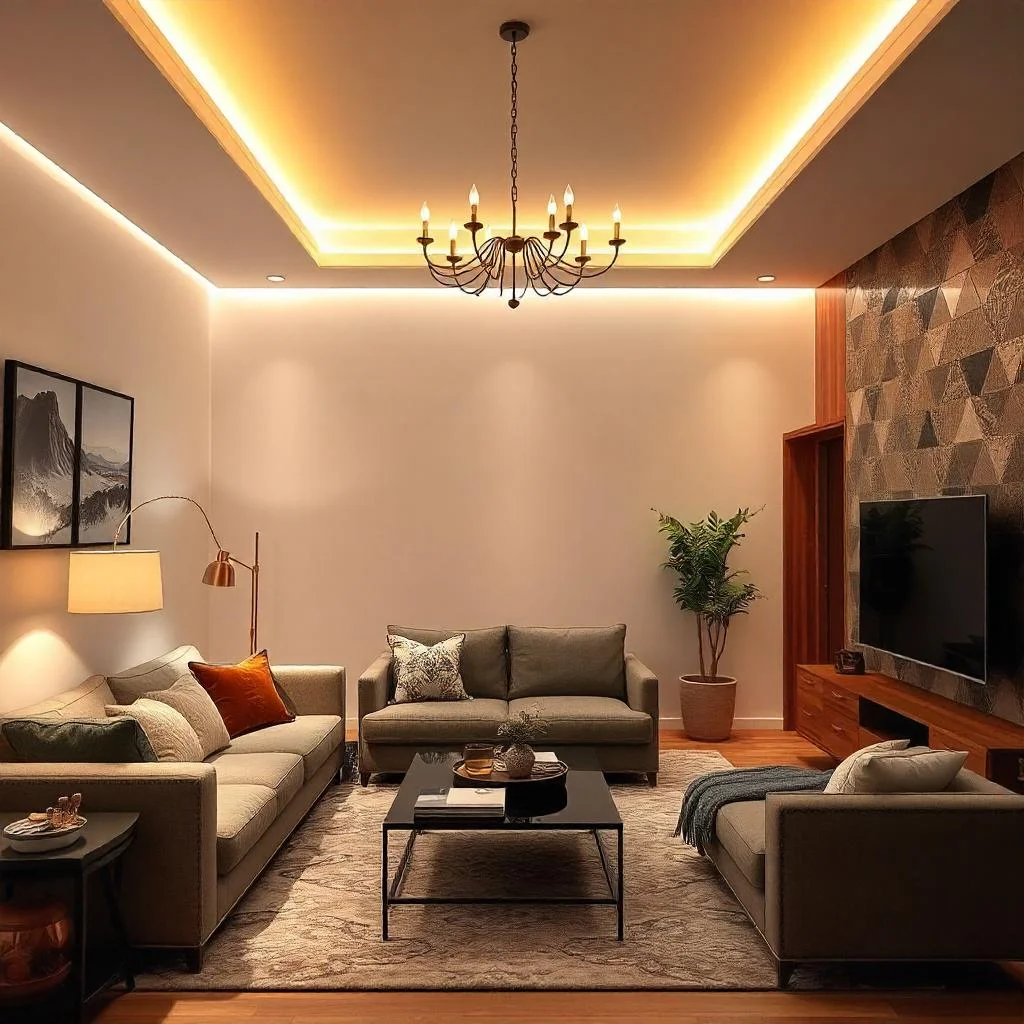
Lighting is the most powerful tool in any designer's kit, and automation takes it to another level. With smart lighting, you can:
Create preset scenes such as Relax, Dinner, Work and Movie Night.
Dim or warm the lighting automatically in the evening to support better sleep.
Control cove lights, spotlights, pendants and accent lights from a single app, wall panel or voice command.
Switch everything off with one "Goodnight" command.
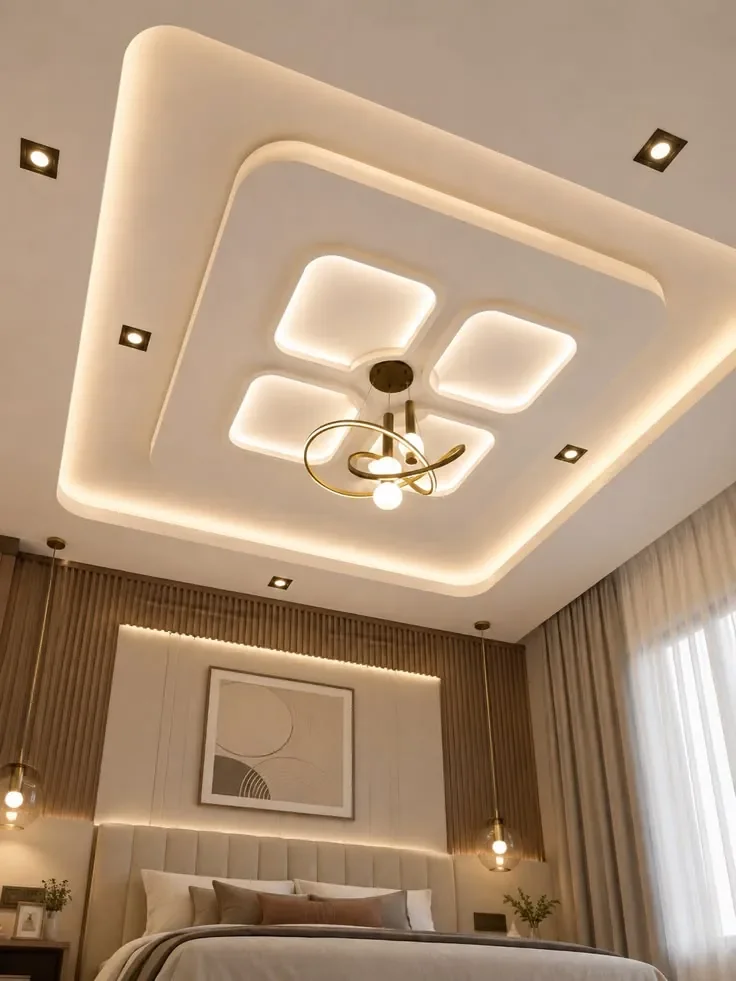
In a well-planned home, the lighting is layered into false ceilings, wall niches and furniture from day one, so the fixtures remain beautiful and the controls stay invisible.
2. Motorised Curtains and Blinds
Motorised curtains add a touch of luxury and solve a real design challenge: managing natural light and heat. They can open at dawn, close during peak afternoon sunlight to protect your furniture and floors, and shut at night for privacy. Because the tracks and motors are hidden inside pelmets and ceiling recesses, you get a clean, uncluttered look without dangling cords or visible switches.
3. Hidden Technology, Cleaner Spaces
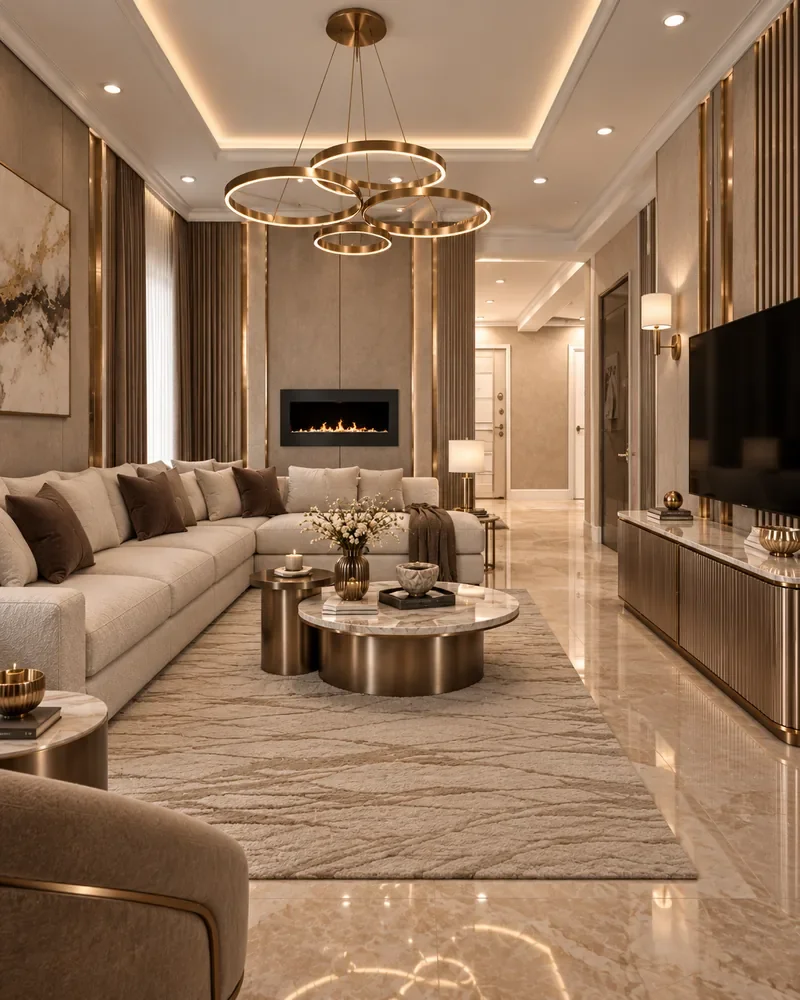
The best smart homes do not look like technology showrooms. Good home automation design is designed to disappear:
Concealed wiring and speakers built into walls and ceilings.
Touch panels that match your switch plates and wall colours.
Media devices that hide screens, routers and set-top boxes behind sliding or fluted panels.
Retractable or mirror-finish TVs that disappear when not in use.
This is where early coordination between your designer, carpenter and electrician matters. Conduits, power points and control hubs should be planned before the walls are closed.
4. Climate Comfort That Protects Your Design
Smart thermostats and air-conditioning controls keep rooms comfortable while reducing energy use. Pairing them with motorised blinds and temperature sensors helps maintain consistent conditions, which is good news for natural materials. Wood, veneers and upholstery last longer in stable conditions, so your investment in well-designed elements such as panelling, wardrobes and flooring stays in beautiful shape for years.
5. Security That Does Not Spoil the Look
Smart locks, video doorbells, discreet cameras and door or window sensors allow you to protect your home without bulky, unattractive hardware. You can check who is at the door from your phone, provide temporary access to visitors or house help, and receive alerts when you are away. Modern devices come in clean finishes that blend with the entrance and living area instead of standing out.
6. Entertainment Without the Clutter
A home theatre or media lounge should feel like part of the living room, not a separate technical area. With automation, you can:
Start a movie, dim the lighting and close the curtains with a single scene.
Run multi-room audio so music follows you from room to room.
Hide speakers in ceilings and walls for a pure, minimalist look.
The result is a more immersive experience and a more stylish room.
7. Automation Works With Every Style
A common myth is that smart homes only suit ultra-modern, glass-and-metal spaces. In reality, technology blends beautifully with warm and traditional styles too. A home built around traditional interior design, with carved woodwork, rich textures and heritage details, can still have discreet smart lighting, hidden speakers and automated curtains. The lifestyle remains visible; the technology stays out of sight.
The same goes for natural palettes. The calm pairing of oak and olive, warm wood with soft green tones, looks wonderful when paired with softly dimmed, scene-based lighting that brings out every texture.
8. Accessibility and Everyday Convenience
Automation is not only about luxury. It makes daily life easier for everyone, especially children, elders and people with limited mobility. Voice-controlled lighting, automatic night lighting on the way to the bathroom, and remotely controlled doors and curtains all add comfort and safety. Designing these features in from the start means they feel natural, not bolted on.
9. Energy Efficiency and Long-Term Value
Smart homes help you use less energy by switching off unused lights, adjusting cooling when rooms are empty and showing you usage patterns. Over time, this can reduce bills, and a well-integrated smart system is an attractive feature if you ever sell or rent out your home.
Tips Before You Automate Your Home
Plan Early: Involve your designer before electrical and false-ceiling work starts.
Choose an Open, Reliable System: Pick technology that works across brands and can be updated later.
Start With the Essentials: Lighting, curtains and climate control deliver the biggest impact; add more over time.
Prioritise a Strong Wi-Fi Network: Smart devices rely on stable connectivity.
Keep Manual Backups: Good design usually includes physical switches in case of a power or network problem.
Think About Privacy: Use secure passwords and trusted brands.
Why Choose a Local Interior Expert?
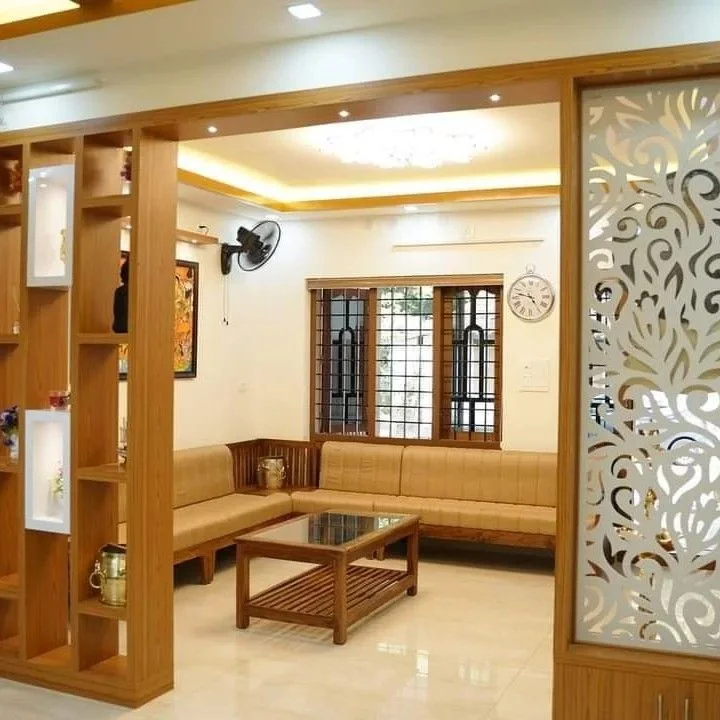
Home automation touches carpentry, electrical planning, lighting design and furniture layouts simultaneously, so it works best when one team coordinates everything. That is why many homeowners prefer to work with a local partner. If you have been searching for an interior design company near me, an interior store near me or simply interior designers near me, look for a team that can show you completed homes with integrated smart features, not just attractive pictures.
If you are comparing interior designers in Hyderabad, ask about their experience with smart home planning, the vendors they work with and how they handle after-sales support. The top interior designers in Hyderabad combine design flair with technical coordination, which is exactly what automation demands. And if you live in the city's fast-growing technology corridor, a trusted interior designer in Kondapur will understand local apartment layouts, builder specifications and delivery timelines, saving you time and surprises. For the best interiors in Kondapur, choose a team that can handle design, civil work, furniture, lighting and automation under one roof.
At OliveOak Interiors, we combine warm materials, thoughtful planning and smart technology to create homes that are as comfortable as they are beautiful. As architects and interior designers near you, we manage everything from concept and 3D visualisation to execution and handover. Whether you want complete interiors in Hyderabad for a new home or a smart upgrade to an existing one, we are here to help.
Final Thoughts
Home automation is not about gadgets. It is about creating homes that adapt to your life, protect your design and make every day a little easier. When technology is planned alongside layout, materials and lighting, it becomes the quiet layer that makes great interior design even better.
Ready to build a smarter, more beautiful home? Get in touch with OliveOak Interiors in Kondapur, Hyderabad, and let's design a space that thinks as well as it looks.
"The most beautifully decorated homes aren't designed to impress visitors — they're designed to comfort the people who live there."
— OliveOak Design TeamLet OliveOak Design Your Dream Home
At OliveOak Interiors, we offer complete interior design and renovation services in Hyderabad — from concept and space planning to turnkey execution. Let's turn your home into a personal sanctuary.
Book a Consultation →