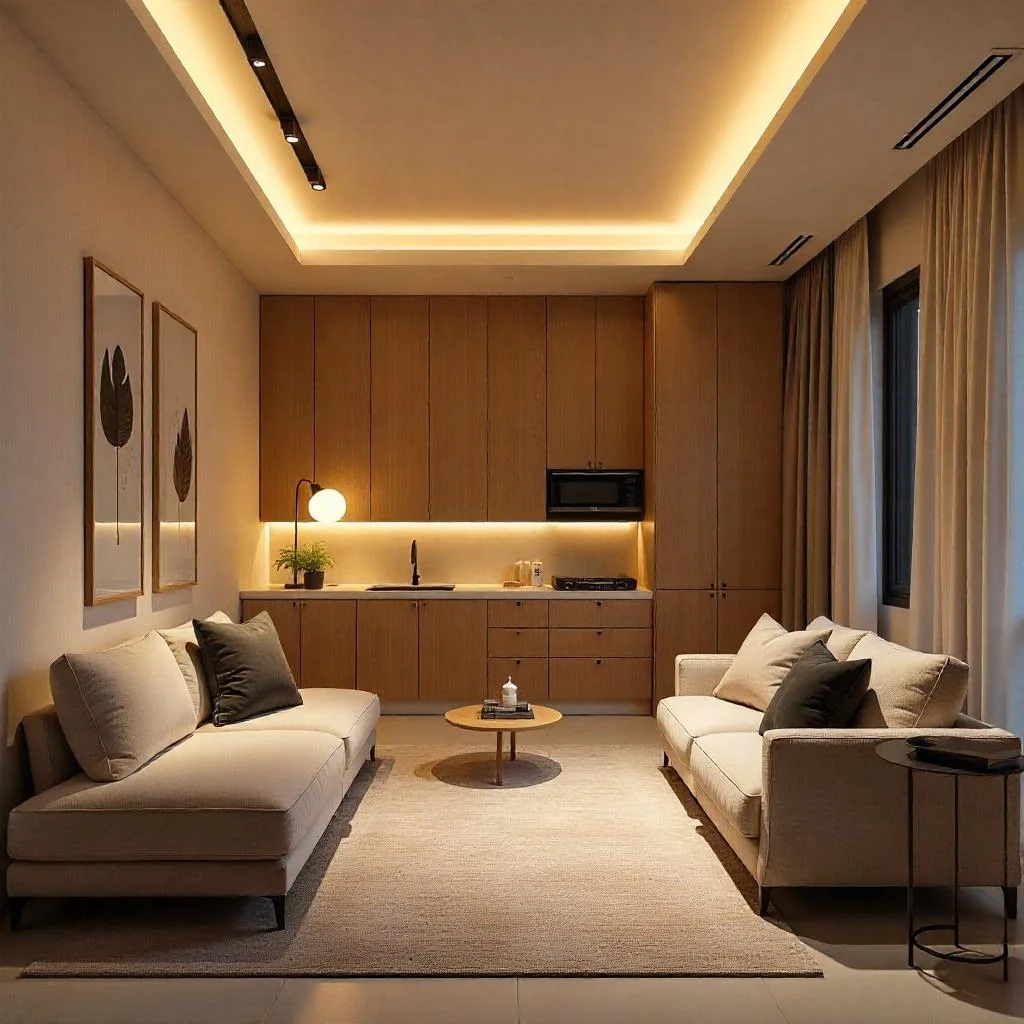
A beautiful painting can lose its impact if the lighting is not right. A feature wall with an interesting texture can look dull if the lighting is too harsh or poorly placed. Good lighting is what makes a decorative wall stand out, and it is often what turns a home from simply looking finished into feeling thoughtfully designed.
Homeowners often ask us how to achieve this look. Whether you're planning a new home or updating an existing one, this guide covers the basics. It is based on the principles used in the best interiors in Hyderabad, where bright daylight, warm evenings, and modern apartment layouts all influence how lighting should be planned.
Begin by Considering the Purpose of the Wall
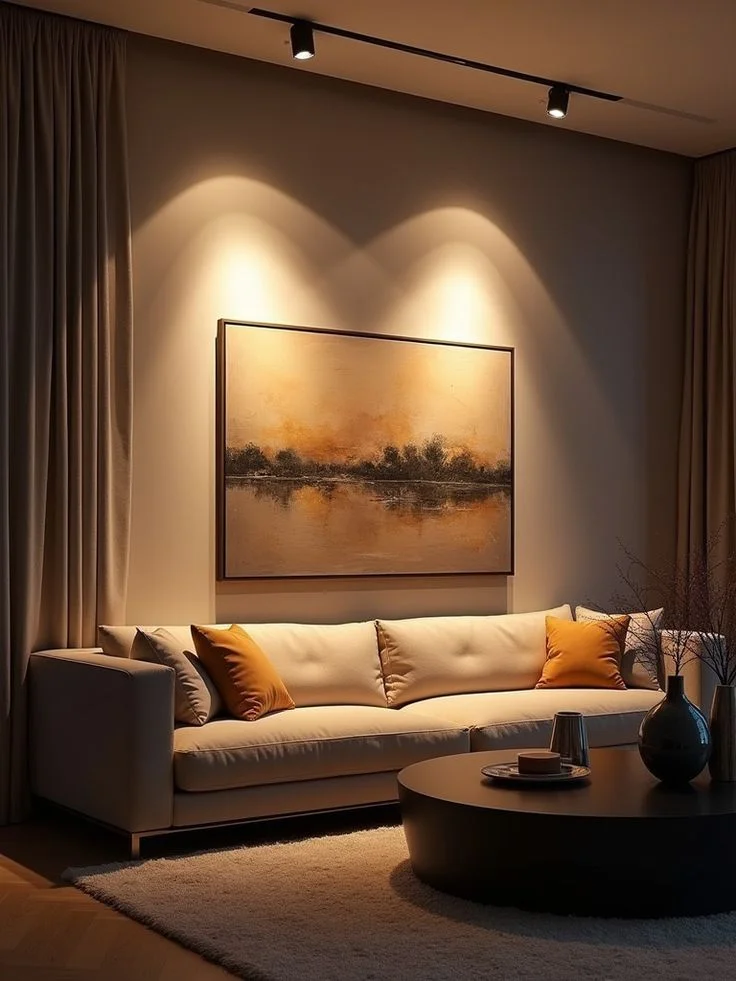
Before selecting any lighting fixture, consider what the wall is meant to do.
Is it a gallery wall? You need lighting that is even and adjustable to suit multiple pieces.
Is it a single artwork? A focused and directional light will highlight it effectively.
Is it a textured or painted feature wall? Surfaces such as stone, wooden planks, fluted panels, or plaster require lighting that brings out their texture and colour.
An experienced interior designer in Kondapur or elsewhere in Hyderabad begins with this question because it guides all future decisions. Understanding the purpose of the wall helps create a balanced and functional interior design plan.
Understand the Three Layers of Light
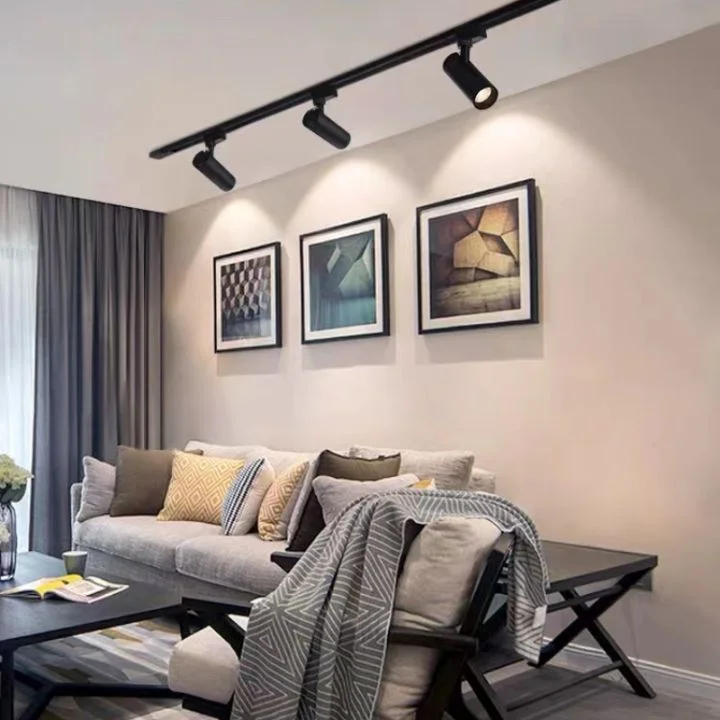
Professional lighting plans rely on three types of light working together.
1. Ambient Light
Ambient light is the general lighting of the room, coming from ceiling lights, cove lighting, or natural daylight.
2. Task Light
Task lighting is focused lighting used for specific activities, such as reading or working.
3. Accent Light
Accent lighting highlights artwork, textures, and architectural features.
Artwork and feature walls are best illuminated using accent lighting. A useful starting point is to make accent lighting roughly three times brighter than the surrounding ambient light, adjusting the intensity to suit the artwork, room, and desired effect.
This contrast helps a piece stand out. Without it, even high-quality art can blend into its surroundings.
Choose the Appropriate Lighting Fixtures
The right fixtures can enhance contemporary interior design while complementing the overall style of your home. Here are some popular options for artwork and feature walls.
Track Lights and Spotlights
These are highly versatile. Each light head can be rotated and tilted to direct light where needed, which is great if you frequently rearrange artwork. They are especially suited to contemporary designs due to their clean and minimalist appearance.
Recessed Adjustable Downlights
Also known as gimbal downlights, these sit flush in the ceiling and maintain a clutter-free look. They are well suited to modern apartments with false ceilings and work effectively in thoughtfully planned living room interior design.
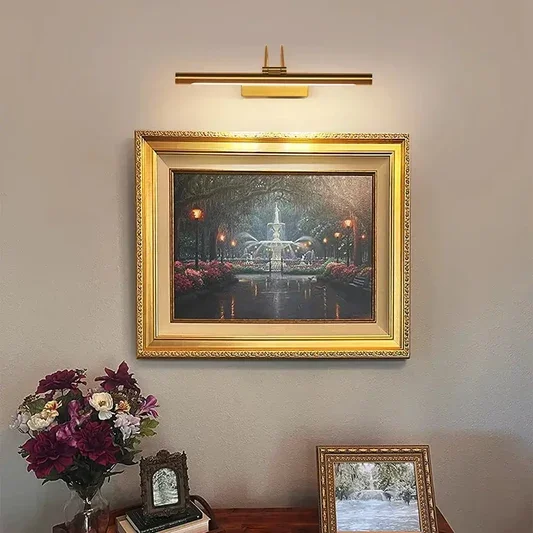
Picture Lights
These are mounted directly above a framed artwork and work best with a single, significant piece.
Wall Washers
These spread light evenly from top to bottom across a wall. They are ideal for large feature walls and gallery displays.
Linear LED Strips and Profiles
These are hidden in niches, panel gaps, or shelves to create a soft glow and a sense of depth. They are popular for use around TV units and wall panelling.
Position the Light Correctly: The 30-Degree Rule
The placement of the light is just as important as the type of fixture. For framed artwork, aim the light at approximately a 30-degree angle from the vertical to the centre of the artwork.
If the angle is too steep, it can cast shadows under the frame.
If it is too shallow, it can cause glare on glass or varnished surfaces.
As a general guideline, position ceiling lights about 30 to 45 cm away from the wall, depending on ceiling height and fixture type. Make fine adjustments once you see the effect in person.
Careful positioning is an important part of creating a visually balanced room interior design, especially when displaying paintings, photographs, or decorative wall panels.
Use Grazing and Washing Techniques Correctly
Different wall finishes require different lighting techniques.
Wall Grazing
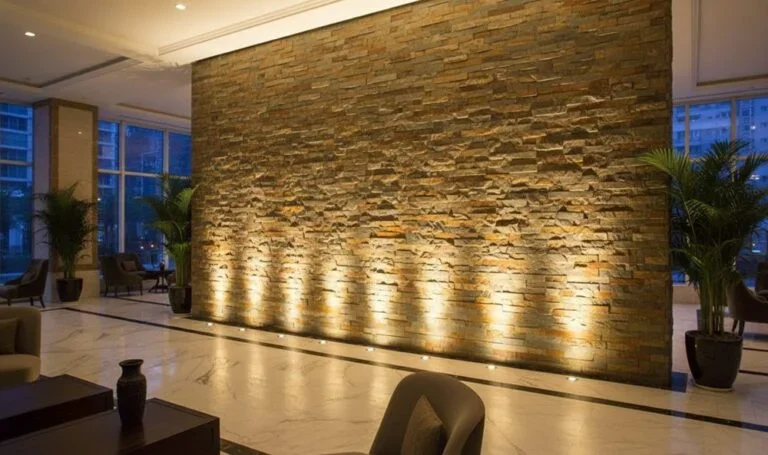
Wall grazing involves placing the light very close to the wall so that the light skims across the surface. It can reveal the texture of stone cladding, brick, fluted panels, and textured plaster.
However, it can also emphasise imperfections, so it is best avoided on uneven walls unless highlighting the texture is intentional.
Wall Washing
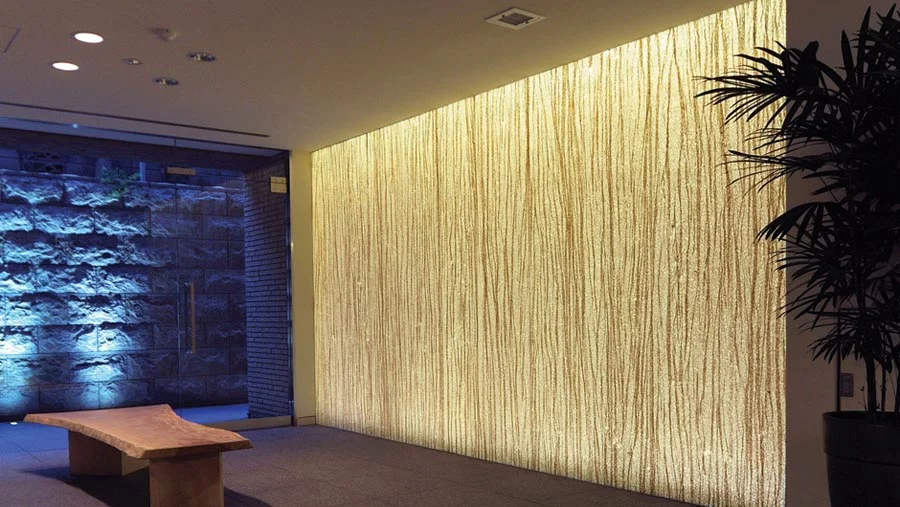
Wall washing places the lights farther from the wall to create a smooth and even glow. This technique works well for smooth painted walls and large artworks.
Choosing the correct technique can significantly improve the appearance of interiors in Hyderabad, where a combination of modern finishes, decorative panels, and natural materials is often used to create distinctive spaces.
Select the Right Colour Temperature and CRI
Two factors are more important than many people realise when planning artwork and feature-wall lighting.
Colour Temperature (Kelvin)
2700K to 3000K: Warm white, which is cosy and flattering for most homes.
3500K to 4000K: Neutral white, which can work well in studios, kitchens, and workspaces.
For living rooms and bedrooms, warm white lighting is typically a good choice.
Whatever you decide, maintain a consistent colour temperature throughout the room to prevent lighting fixtures from clashing.
Colour Rendering Index (CRI)
The Colour Rendering Index indicates how accurately a light source displays colours. For artwork and feature walls, select lighting with a CRI of 90 or higher.
Low-CRI lighting can make paintings appear dull and lacklustre and may alter the appearance of wall colours from what was intended.
These details matter when planning premium interior design in Kondapur, where carefully selected finishes, furniture, and colours should appear as intended under artificial lighting.
Protect Your Artwork
Light can gradually damage artwork over time. Avoid placing valuable pieces in direct sunlight, as ultraviolet (UV) radiation can cause pigments to fade.
Choose LED lighting, which generally emits very little UV radiation and produces less heat than many traditional light sources. For sensitive items such as watercolours, textiles, and prints, use moderate light levels and consider UV-filtering glass for additional protection.
Thoughtful lighting helps preserve the appearance of artwork while allowing it to remain an important feature of your home.
Lighting a Feature Wall in the Living Room
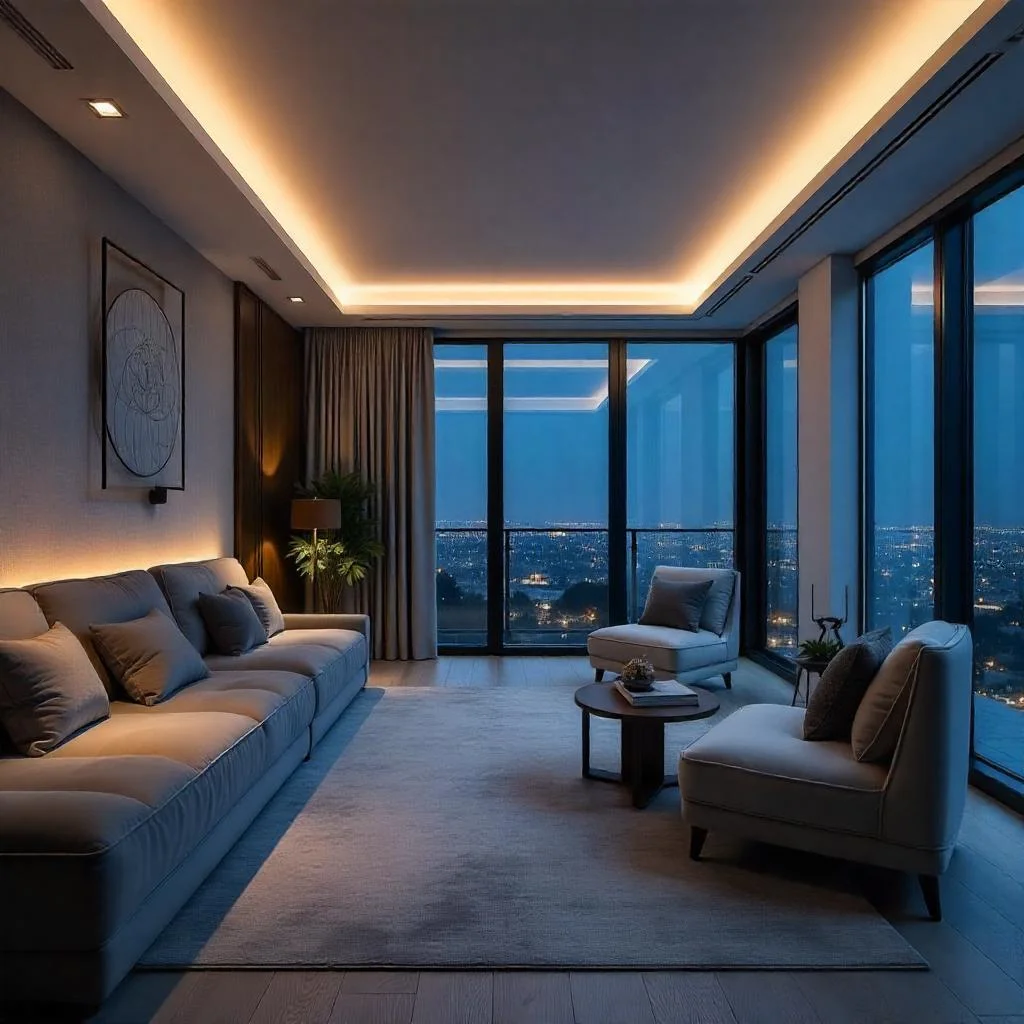
The living room is often the best place for a statement wall, whether it is behind the sofa, around the TV, or near the dining area. A well-planned lighting arrangement can make a significant difference to your living room interior design.
Here is a straightforward approach:
Use a wall washer or concealed LED strip to wash light across the wall.
Add 2 or 3 adjustable spotlights to highlight artwork or decorative elements.
Keep the ambient lighting soft and indirect, such as with cove lighting or floor lamps.
Install dimmers so you can transition from bright daytime settings to a comfortable evening atmosphere.
Dimmers are one of the most overlooked upgrades. A single wall can look entirely different at 100%, 50%, and 20% brightness, offering three distinct moods from one setup.
For homeowners exploring interior designers in Hyderabad, these lighting details are worth discussing early because they influence the ceiling layout, electrical planning, and overall ambience of the living space.
Match Lighting to Wall Colour
The colour of your walls influences how light behaves. Dark and intense colours absorb more light, so they may require stronger accent lighting. Lighter colours reflect more light, allowing you to use lower intensity levels.
Olive green interior design is a great example. Earthy greens can appear rich and calming under warm light in the 2700K to 3000K range, which can enhance their golden undertones. Under cool white light, the same shade may appear greyer or less inviting.
If you are planning an olive feature wall, pair it with wood tones, brass accents, and warm, dimmable lighting for a sophisticated and grounded look.
This approach works particularly well in contemporary interior design, where natural colours, tactile finishes, and carefully controlled lighting combine to create a warm and refined atmosphere.
Plan Lighting Before the Finishing Stage
The biggest mistake homeowners often make is treating lighting as an afterthought. Once false ceilings, electrical conduits, and wall panels are installed, adding lights becomes costly or difficult.
It is important to plan lighting early in the design process.
Determine the positions of junction boxes and wiring for spotlights.
Identify niches and recesses for concealed LED strips.
Plan dimmer circuits and switch zones.
Arrange furniture and artwork so that the lighting falls exactly where it is needed.
This is why working with a professional from the beginning can make a big difference. Many families seeking interior design services in Hyderabad prefer to involve a designer during the planning phase rather than after construction is complete.
Early planning helps coordinate electrical requirements, ceiling designs, wall finishes, and furniture placement, resulting in a more cohesive interior.
Find Inspiration and the Right Interior Design Partner
Exploring interior design websites is an excellent way to gather ideas. Save images of walls you admire and take note of what makes them effective: the type of fixture, the direction of the light, and the warmth of the colour.
Share these images and notes with your designer to ensure your expectations are clearly communicated.
If you are based in the IT corridor, working with an interior designer in Kondapur, Hyderabad, offers several advantages. From easier site visits to a better understanding of apartment and villa layouts common in the area, local designers can provide tailored solutions.
Teams like Olive Oak Interiors focus on creating spaces that are both thoughtful and detailed. Whether you are looking for interior design in Kondapur for a small apartment or a complete home renovation, good lighting should be an integral part of your plan from the very start.
When comparing interior designers in Kondapur, Hyderabad, consider their experience with lighting layouts, material selection, functional planning, and the overall design style you want to achieve. A well-coordinated approach helps bring every element of your home together.
Quick Checklist for Artwork and Feature-Wall Lighting
Decide on the purpose of the wall before selecting fixtures.
Combine ambient, task, and accent lighting where appropriate.
Use a suitable brightness contrast to make artwork stand out.
Aim fixtures at approximately 30 degrees to reduce shadows and glare on framed artwork.
Use grazing for texture and washing for smooth walls.
Choose bulbs with a colour temperature of 2700K to 3000K and a CRI of 90 or higher for warm, accurate lighting.
Use LED lighting to help protect artwork from excess heat and UV exposure.
Install dimmers for flexible lighting moods.
Finalise the lighting layout before starting work on false ceilings and wall finishes.
Coordinate artwork placement, furniture layout, and electrical planning.
Final Thoughts
Excellent lighting does not have to be complex, but it does require thoughtful planning. When your artwork and feature walls are properly lit, every interior design choice—from colour to furniture—looks more impactful. The result is a home that feels warm, well-designed, and full of character.
Planning a new space or upgrading your current one? Connect with an experienced team of interior designers in Kondapur, Hyderabad, and start with a lighting plan that makes your walls the highlight of your home.
At Olive Oak Interiors, thoughtful planning, carefully selected materials, and well-designed lighting can help transform everyday spaces into beautiful, functional homes. Whether you are planning a statement wall, refreshing your living room, or redesigning your entire home, the right lighting approach can make every design detail stand out.
"The most beautifully decorated homes aren't designed to impress visitors — they're designed to comfort the people who live there."
— OliveOak Design TeamLet OliveOak Design Your Dream Home
At OliveOak Interiors, we offer complete interior design and renovation services in Hyderabad — from concept and space planning to turnkey execution. Let's turn your home into a personal sanctuary.
Book a Consultation →